Well Water vs Spring Water: What Are the Differences?

Well water and spring water both come from underground, but they reach your glass in different ways. Well water comes from a well that someone drills or digs into the ground. Spring water comes from an underground source that flows naturally to the surface. In this guide, Inland Springs Water Pros explains the differences between well water vs spring water and which one may be better for drinking.
Table of Contents
ToggleWhat Is Well Water?
Well water comes from groundwater stored beneath the earth’s surface. This water collects in underground layers of soil and rock called aquifers. To reach it, someone digs or drills a well and uses a pump to bring the water up.
Many homes outside city water systems use private wells. These wells can provide water for drinking, cooking, bathing, and other daily needs.
What Is Spring Water?
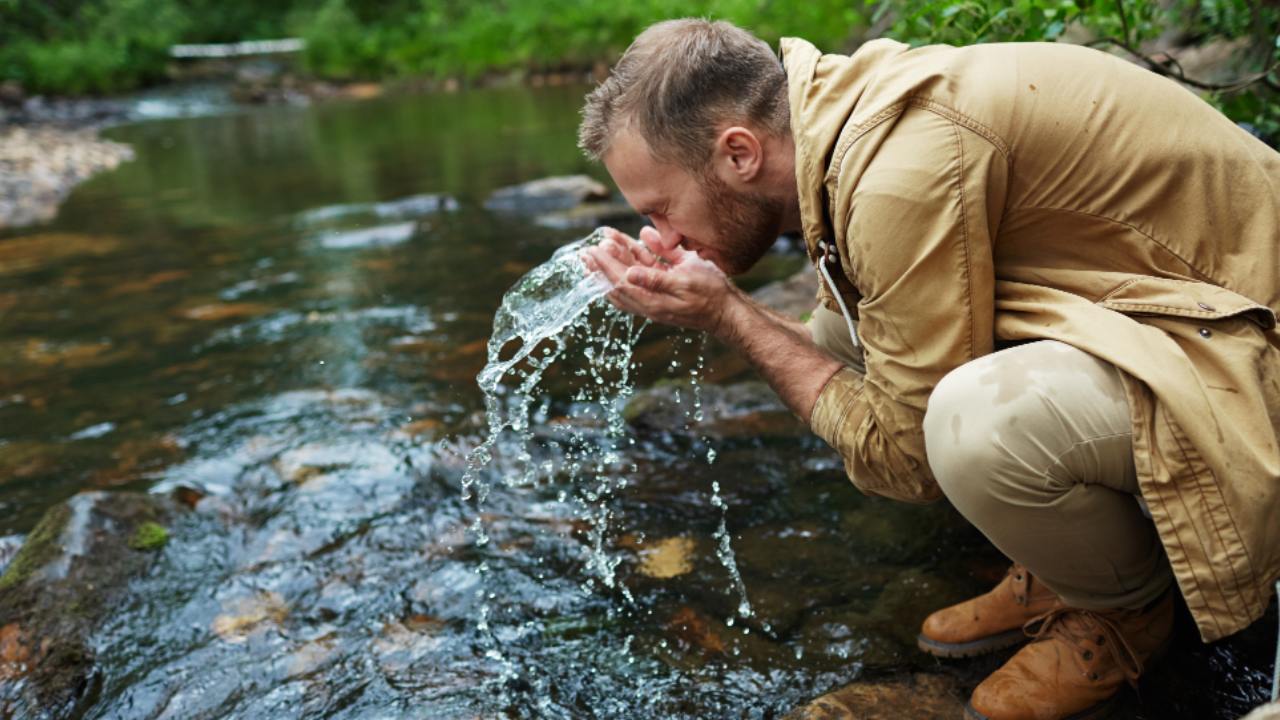
Spring water also comes from groundwater. However, instead of needing a well to reach the surface, it flows out naturally through an opening in the ground. As the water moves through soil and rock, it can pick up minerals such as calcium and magnesium. These minerals may affect its taste. The exact mineral content depends on the location and the type of rock around the spring.
Choosing between purified, distilled, and spring water doesn’t have to be complicated. Inland Springs makes it easy with reliable delivery service across Gainesville and the surrounding areas. Talk to our team or check pricing to find the best fit for your home or workplace.
Differences Between Well Water vs Spring Water
The main difference between well water and spring water is how each source reaches the surface. Other differences involve how people access the water and what they must do to check its quality.
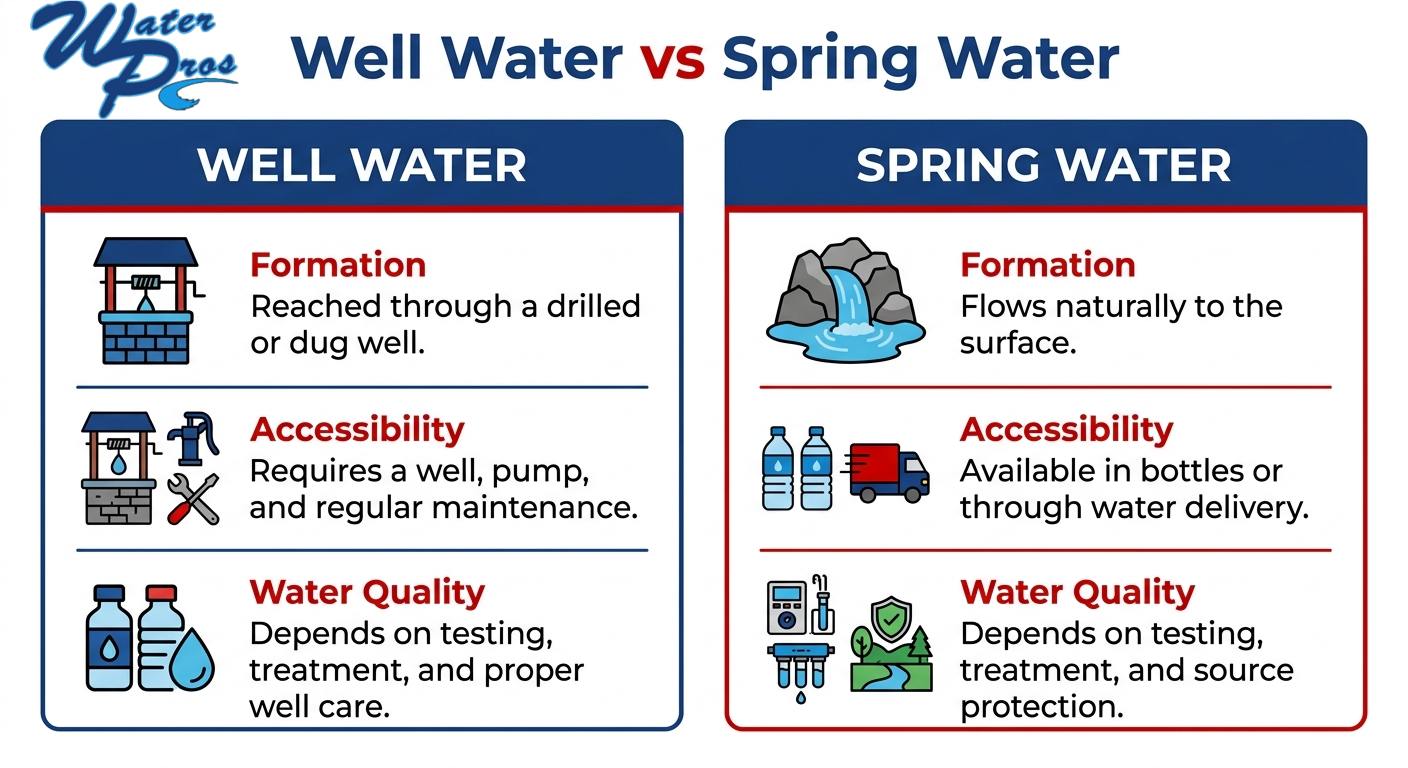
| Difference | Well Water | Spring Water |
| Formation | Reached through a drilled or dug well. | Flows naturally to the surface. |
| Accessibility | Requires a well, pump, and maintenance. | Available in bottles or through delivery. |
| Water quality | Depends on testing, treatment, and well care. | Depends on testing, treatment, and source protection. |
Formation
Rain and melted snow soak into the ground and collect underground. Both well water and spring water can come from this water. A well reaches the water through a hole dug or drilled into the ground. A pump then brings the water to the surface.
A spring forms when underground water flows to the surface on its own. In short, both sources can start underground, but they reach the surface in different ways.
Accessibility
Well water usually comes from a private well on a home or property. Once the system is in place, the household can use it for many daily tasks. However, the owner must care for the well, pump, and any treatment equipment.
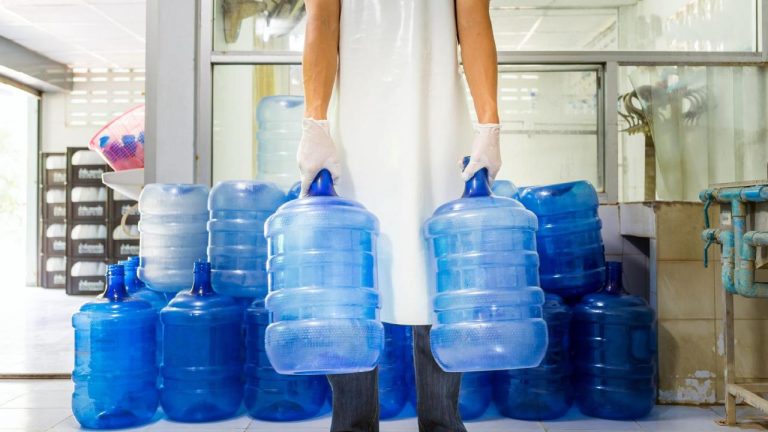
A well may also stop working if the pump fails, the water level drops, or the equipment needs repairs. Fixing these issues can take time and add unexpected costs. Spring water offers another option. People can buy it in bottles or order larger containers through a water delivery service. This can make spring water easier to access for households that do not want to depend on a private well for drinking water.
Water Quality
The quality of well water and spring water can vary from one location to another. Nearby farms, septic systems, flooding, and damaged equipment can affect an underground water source. Well water can contain minerals that change its taste or leave spots on sinks and dishes. It may also contain bacteria or other contaminants. Regular testing helps homeowners understand what is in their water and whether it needs treatment.
Spring water can also contain minerals that affect its taste. While soil and rock can filter some material as water moves underground, they do not remove every possible contaminant. Water from an untreated spring can still contain bacteria, chemicals, or other unwanted substances.
Filteration
Well water often needs a sediment filter for dirt, a water softener for excess minerals, or a UV system to kill bacteria. The right system depends on what a water test finds. Spring water passes through soil and rock, which removes some particles, but it can still contain bacteria or chemicals. Bottled spring water may receive additional filtration or UV treatment before packaging.
Which Water Is Better for Drinking?
Both well water and spring water can be safe when properly tested and treated. The better choice depends on your water quality, taste preferences, and daily needs. Here, we show which option works best for different situations.
| Situation | Better Option |
| You have a safe, well-maintained private well. | Well water |
| Your well water tastes or smells unpleasant. | Spring water |
| Your well needs repairs or treatment. | Spring water |
| You want water delivered to your home. | Spring water |
| You have an effective water filtration system. | Well water |
| You want to avoid well maintenance. | Spring water |
Final Thoughts
Well water and spring water can both come from underground, but they differ in how they reach the surface and how people access them. Well water requires a well, pump, and regular upkeep. Spring water flows naturally to the surface and may be available through bottled water or delivery services.
The best drinking water choice depends on quality, testing, convenience, and taste. If you want an easy alternative to private well water, spring water delivery may be worth considering.
Inland Springs Water Pros delivers fresh, great-tasting spring water directly to homes and businesses in Gainesville, Murrayville, Buford, Cumming, Flowery Branch, and Dawsonville. Enjoy quality water and dependable service you can count on. Call us at 770-534-7873 to schedule your delivery or get pricing.
FAQs
Is spring water safer than well water?
Not always. The safety of both depends on the water source, possible contamination, proper testing, and treatment when needed.
Does well water come from the same source as spring water?
It can. Both may come from underground aquifers, but well water requires a drilled or dug well while spring water flows out naturally.
Is spring water naturally filtered?
Spring water may pass through soil and rock, which can filter some material. However, natural filtration does not remove every contaminant.
Can well water contain harmful bacteria?
Yes. Bacteria can enter well water through flooding, damaged well parts, nearby septic systems, or other sources of contamination.
Is spring water better for your health than well water?
Not necessarily. Both can support healthy hydration when the water is safe, properly tested, and treated if needed.