How to Tell if Your Drinking Water is Safe?

Updated: 09/14/2026
Maybe your water suddenly tastes a little metallic. Maybe there’s a chlorine smell when you fill a glass, or the water looks cloudy for no clear reason. Or maybe nothing seems wrong at all, and you are simply wondering about water you have never really questioned before.
Either way, you are asking a fair question: how can you tell if your drinking water is safe? There are some real ways to check. Some of them come from paying attention to what you can notice yourself, and some come from actual data and testing for what you cannot notice at all. This guide walks through both.
Table of Contents
ToggleSigns of Contaminated Water
Watch for these warning signs that your water may not be safe to drink:
- Unusual taste (metallic, bitter, or salty)
- Strong odor (chlorine, sulfur, or rotten eggs)
- Cloudy or murky appearance
- Yellow, brown, reddish, blue, or green tint
- Stains around sinks or fixtures
- Oily film or floating particles
It also helps to know what these signs are actually warning you about. Common contaminants in drinking water include:
- Bacteria and viruses, such as E. coli and Giardia
- Heavy metals, like lead, arsenic, and mercury
- Chlorine and its disinfection byproducts
- Pesticides and herbicides
- Nitrates and nitrites
- Industrial chemicals
- Microplastics
- Sediment or rust particles
Here is the one honest catch: some of the most serious contaminants, including lead, arsenic, certain bacteria, and nitrates, usually have no taste, no smell, and no visible sign at all. This is exactly why noticing something is only half the picture, and why testing matters just as much.
How to Test Drinking Water at Home
If you are wondering how to check water quality at home, here is what to look for and how to confirm it:
Water Tastes Metallic
An odd or metallic taste is often caused by underground minerals, natural decomposition, or old or newly modified plumbing (Cawood). It’s worth taking seriously rather than ignoring, since the cause is worth confirming even if the taste alone isn’t dangerous.
Brown or Red Stains
Brown, red, orange, or black stains on your fixtures, sinks, or laundry usually point to high levels of iron or manganese (Cawood). These are naturally occurring minerals, but they can damage pipes, pumps, and appliances over time.
Rotten Egg Smell
A rotten egg smell means hydrogen sulfide is present. It is also corrosive, and it can affect pipes, water heaters, and other metal surfaces it touches.
Blue or Green Stains
Blue or green stains around your sink usually mean your water’s pH is lower than it should be. Water below a pH of 6.5 is acidic and corrosive, and it can damage plumbing over time.
Water Smells Like Bleach
A strong bleach or chlorine smell usually means extra disinfectant was used during treatment. It is common right after a utility adds more chlorine, and it is generally not a safety concern on its own, but a persistent strong smell is worth checking with a test strip or your utility’s water quality report.
Testing the Water Directly
Let’s see how to tell if water is contaminated using more practical approaches:
- Start with your water utility’s own published water quality report. If you are on a public water system, this report already tells you what has been tested and found in your area, and it costs nothing to look up.
- Use a basic home test strip for a quick check of the basics, like pH and chlorine. It is fast and cheap, but it only gives you a general picture.
- Contact your local health department or the EPA for free or low-cost testing if you have a specific concern, especially for things a strip cannot catch.
- Get a certified lab test if you are planning to actually act on the results, since this is the most accurate option and the only one that reliably catches things like lead or bacteria.
- If you are thinking about a filter afterward, only trust one that is independently certified; look for NSF or ANSI certification, or check it against Consumer Reports or the Environmental Working Group’s filter guide, instead of relying on a brand’s own claims.
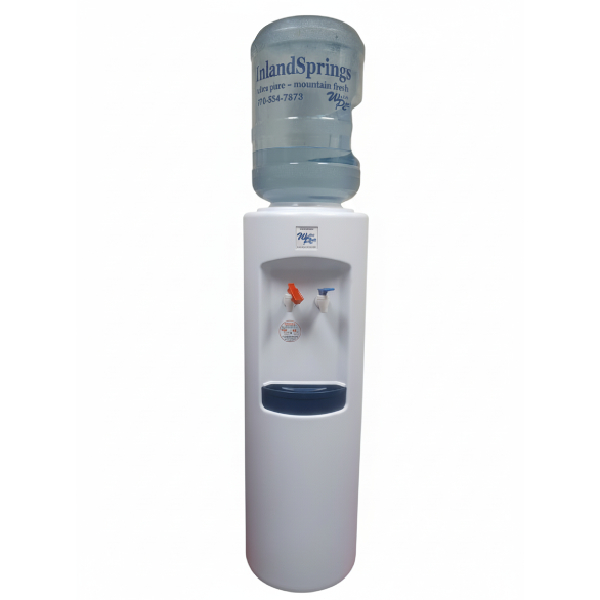
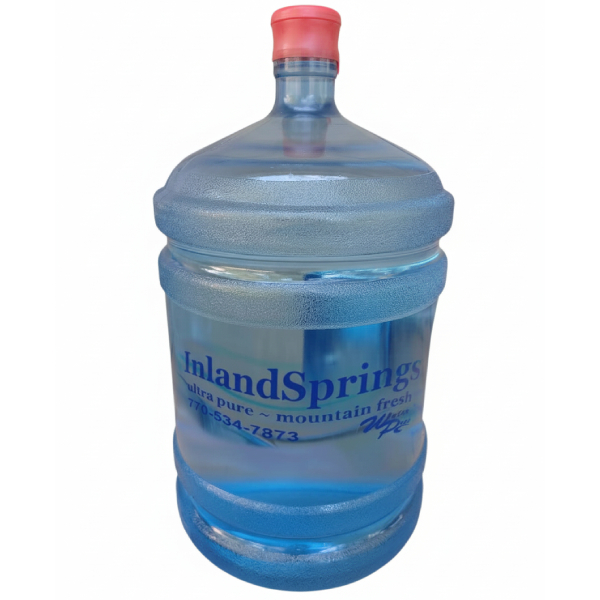
Inland Springs Water Pros offers water delivery in the Gainesville area.
Posted on Google
 ArcadeTom
Trustindex verifies that the original source of the review is Google.
Great water company. Very responsive to replacing empty bottles and always pleasant to work with.Posted on Google Derrick HoltzingerSeth is very friendly, professional, and helpful!Posted on Google
 hanna groganGreat quality spring water and super cooperative! We message them and they bring us water in a timely manner!!! Always friendly and professional!! Highly recommend!!!!Posted on Google
 Rita PantelsWe are so fortunate to have pure mountain spring water delivered to our home in this area!! Reliable, great customer service and very fair pricing. They truly care about providing quality spring water.Posted on Google
 Laura CromerThe best in the water business!Posted on Google
 Diana EtrisWonderful hardworking people!Posted on Google
 Jessica PlessGreat customer service. Local company and water tastes really good. Highly recommend.Posted on Google
 Richard PortillaI’ve been using them for 4 years now and they are amazing. Any time I need more water I just send them a text and they are here within a day. Very nice people definitely recommend.Posted on Google
 Eric NThese guys are the best in the spring water business. We used one of the national brands for a couple of years and switched to Water Pros about 10 years ago. They are quite a bit cheaper and their water and service is excellent!Posted on Google
 Sherrill FowlerA+ service with a smile! For more than 10 years Seth and Phil have provided me with water, never raising their prices even when everyone else raised theirs. They have treated me more like family than a customer. I would wholeheartedly recommend them anyone and everyone!
Is My Well Water Safe to Drink?
Nobody is testing your well water for you. Public utilities are required to test and report regularly, but a private well is entirely your own responsibility; it is usually recommended at least once a year, since groundwater conditions shift with the seasons, nearby construction, or a leaking septic tank (Kings Water Alliance).
Some situations mean you should test sooner than your regular yearly check. Here are signs you should test your well water:
- It has been more than a year since your last test.
- You notice a change in taste, smell, or color, though keep in mind some dangerous contaminants, like nitrate, have no detectable taste, smell, or color at all.
- Your household includes an infant or someone who is pregnant, since high nitrate levels can interfere with how red blood cells carry oxygen.
- A nearby well has tested unsafe, since water quality issues are rarely limited to just one property.
- You have had recent flooding or heavy rain, which can introduce bacteria, nitrate, and other pollutants into a well.
If any of these apply to you, it is worth testing again even if your water looks and tastes completely normal.
What to Do If You Think Your Water Isn’t Safe
If something feels off, act step by step instead of guessing. First, identify the likely cause based on the signs you are noticing. Then test to confirm it, using the options covered earlier. Once you know what you are dealing with, choose the right next step: filtering, boiling, or switching to a different water source.
One important caveat on boiling: it kills bacteria, viruses, and parasites, but it does not remove chemicals or heavy metals. If your concern is something like lead or a chemical contaminant, boiling will not fix it, and testing is the only way to know for sure.
The Bottom Line
So, how can you tell if your drinking water is safe? Between what you notice and what you actually test for, you have a real way to answer that for yourself. Trust your senses as a first clue, but not the final word, since some of the most serious contaminants show no signs at all.
Clean, Reliable Water Delivery in Gainesville, GA
For households in Gainesville and Hall County who would rather skip the testing and filtration decisions altogether, delivered water is a simple alternative. Choose between natural spring water, mineral-rich and sourced from protected springs, or distilled water, mineral-free and a good fit for CPAP machines, humidifiers, and steam irons.
Inland Springs Water Pros delivers both types of water locally. Call us at 770-534-7873 to get a free quote anytime you want.
FAQs
How can you tell if your drinking water is safe at home?
Pay attention to taste, smell, and color, since these often point to a specific cause. For anything you cannot see or smell, like lead or bacteria, a home test strip or certified lab test is the only real way to know.
What are the water contamination symptoms?
Common signs include a metallic taste, a chlorine or rotten egg smell, cloudy or discolored water, staining around fixtures, and an oily film. Each of these usually points to a specific cause, like corroded pipes or excess disinfectant.
Does boiling water make it safe to drink?
It helps with bacteria, viruses, and parasites, but it does not remove chemicals or heavy metals. If your concern is something like lead, boiling will not solve it.
Is your tap water safe?
In most areas, yes, tap water meets federal safety standards. But meeting the legal limit does not always mean every number is below stricter health guidelines, so checking your local water quality report is worth doing.
Can water be contaminated with no taste, smell, or color?
Yes. Lead, arsenic, certain bacteria, and nitrates are common examples that usually show no sign at all. Testing is the only reliable way to catch these.
How safe is your drinking water?
In most areas, it meets federal safety standards, but it can still be above stricter health guidelines on a few things. Checking your local water quality report gives you the real answer for your area.