
Is It Good to Drink Water Before Bed?

Updated: 09/14/2026
Maybe you keep a glass of water by the bed out of habit. Maybe you just feel thirsty right before you turn off the light. Either way, you are probably wondering the same thing: Is it good to drink water before bed, or is it working against a good night’s sleep? The honest answer is yes, drinking water before bed is fine. What matters more is timing, not the water itself.
The blog gives you the quick answer, and the rest of this guide walks through why timing is what really counts.
Table of Contents
ToggleShould I Drink Water Before Bed?
Water is not the problem. Timing is. A full glass right when you turn off the light can mean a trip to the bathroom at 2 a.m. The same glass an hour or two earlier usually will not.
Here is why timing matters so much. Once water reaches your stomach, your body moves it into your bloodstream fast. Your kidneys filter it and send the extra to your bladder. If your bladder fills up while you are asleep, your body wakes you up to empty it. Drink water too close to bedtime and that whole process lands right in the middle of your sleep instead of before it.
A small glass, around 4 to 8 ounces, is usually enough if you are thirsty before bed. Anything more starts to work against you, since your kidneys and bladder need time to catch up before you fall asleep. Drinking well over that amount close to bedtime, especially a full 16- to 20-ounce bottle, mainly raises the odds of waking up in the middle of the night. For someone with normal kidney function, this amount of water on its own is not a safety concern (Cleveland Clinic); it’s a sleep-disruption issue, not a medical one.
Drinking Warm Water Before Bed
There is no strong evidence that warm water helps you sleep better. Some people just find it more soothing on the stomach before lying down. If you like it warm, there is no set rule; just avoid anything hot enough that you need to sip it slowly.
Drinking Cold Water Before Bed
Cold water before bed is not harmful. It can feel jarring for some people, and it can make you drink faster, which fills your bladder sooner. Neither temperature is the “right” choice. It comes down to what feels comfortable to you.
Choosing between purified, distilled, and spring water doesn’t have to be complicated. Inland Springs makes it easy with reliable delivery service across Gainesville and the surrounding areas. Talk to our team or check pricing to find the best fit for your home or workplace.
When Should You Stop Drinking Water Before Bed?
Most sleep and hydration sources agree on the same general window: stop drinking water about 1 to 2 hours before bed (Cleveland Clinic, Sleep Foundation). That window is not random. It is roughly how long it takes your kidneys to process a glass of water and your bladder to fill enough to wake you up. Stop within that window, and your body usually has time to handle the water before you are asleep.
There is one real exception worth knowing. If you deal with nocturia, are pregnant, have an enlarged prostate, or take diuretic medication, water moves through your system differently, and you may need to stop closer to 2 to 3 hours before bed. It is worth a quick conversation with your own doctor, since the right cutoff depends on your specific situation.
Inland Springs provides water delivery in Gainesville, GA, for homes and workplaces across the area.
Posted on Google
 ArcadeTom
Trustindex verifies that the original source of the review is Google.
Great water company. Very responsive to replacing empty bottles and always pleasant to work with.Posted on Google Derrick HoltzingerSeth is very friendly, professional, and helpful!Posted on Google
 hanna groganGreat quality spring water and super cooperative! We message them and they bring us water in a timely manner!!! Always friendly and professional!! Highly recommend!!!!Posted on Google
 Rita PantelsWe are so fortunate to have pure mountain spring water delivered to our home in this area!! Reliable, great customer service and very fair pricing. They truly care about providing quality spring water.Posted on Google
 Laura CromerThe best in the water business!Posted on Google
 Diana EtrisWonderful hardworking people!Posted on Google
 Jessica PlessGreat customer service. Local company and water tastes really good. Highly recommend.Posted on Google
 Richard PortillaI’ve been using them for 4 years now and they are amazing. Any time I need more water I just send them a text and they are here within a day. Very nice people definitely recommend.Posted on Google
 Eric NThese guys are the best in the spring water business. We used one of the national brands for a couple of years and switched to Water Pros about 10 years ago. They are quite a bit cheaper and their water and service is excellent!Posted on Google
 Sherrill FowlerA+ service with a smile! For more than 10 years Seth and Phil have provided me with water, never raising their prices even when everyone else raised theirs. They have treated me more like family than a customer. I would wholeheartedly recommend them anyone and everyone!
The Real Benefits of Drinking Water Before Bed
Staying hydrated through the evening still matters. The real benefits worth knowing include:
- It supports hydration overnight, since your body keeps losing water through breathing and sweat while you sleep, even without drinking anything.
- It can ease a dry mouth or dry throat, which can wake you up or disrupt sleep just as easily as a full bladder can.
- It gives you a head start on the day, so your first glass of water in the morning is not playing catch-up after eight hours with none.
- It can help prevent the mild headache some people get from waking up dehydrated.
- It supports your kidneys, which stay active overnight filtering waste even while you sleep.
- It keeps the habit consistent, so hydration does not become an all-or-nothing thing you only think about during the day.
Why Water Right Before Bed Can Backfire
Is it bad to drink water before bed? Not in general, but drinking it right at lights-out can work against you. The real risk is not the water itself. It is what a full bladder does to your sleep. Waking up to use the bathroom, called nocturia, pulls you out of your sleep cycle in the middle of it, and getting back to that same depth of sleep afterward is not automatic.
This matters more for some people than others. Older adults, anyone who already wakes up during the night, and anyone taking diuretic medication are more likely to feel the effects of late water intake than someone who sleeps straight through most nights already, since hydration needs change as you get older.
How to Stay Hydrated All Day Without Disrupting Your Sleep
The easiest fix is not cutting water out at night. It is drinking more of it earlier in the day, so you need less right before bed. The benefits of staying hydrated during the day go well beyond sleep.
- Drink most of your water earlier in the day, not the evening.
- Taper off gradually in the hours before bed instead of stopping all at once.
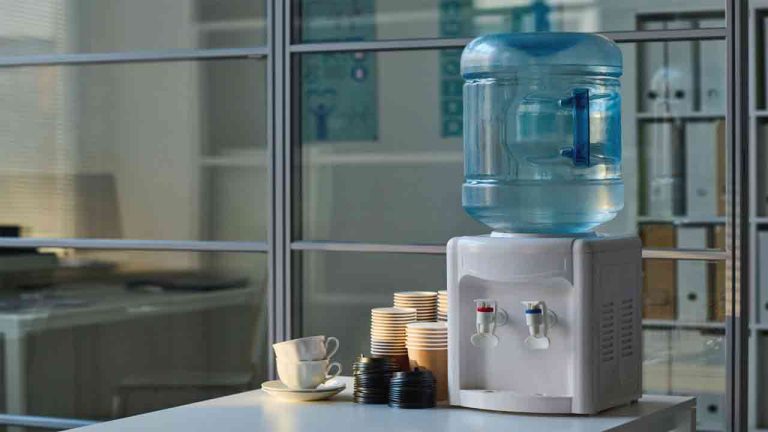
- Keep water within easy reach, a full water cooler or a filled pitcher on the counter, so drinking earlier actually happens.
- Pay attention to thirst during the day instead of catching up later.
- Pair water with habits you already have, like a glass with each meal.
- Set a rough evening cutoff, like after dinner, so tapering off happens automatically.
Let’s Wrap It Up
Yes, drinking water before bed is fine. Water is not something to fear at night. Timing is what decides whether it helps you or interrupts your sleep. Have a glass earlier in the evening, taper off in the last hour or two, and let a small sip cover you if you are thirsty right before lights out.
Get Clean, Reliable Water Delivered
The quality of your water matters just as much as when you drink it. Inland Springs Water Pros, founded by Phil Allison, provides families, offices, and local businesses with a trusted source of natural spring water and reliable delivery.
Call 770-534-7873 to learn more about water delivery and 5-gallon spring water solutions, or get a free quote online. You can also reach Inland Springs by mail at P.O. Box 748, Murrayville, GA 30548.
FAQs
Is it good to drink water before bed?
Yes, in moderate amounts and with the right timing. A full glass right before you lie down can disrupt your sleep, but a small amount an hour or two earlier is generally fine for most people.
How long before bed should you stop drinking water?
About one to two hours before bed is the general guideline most sources agree on. If you deal with nocturia or a related condition, ask your doctor whether you should stop earlier.
Does drinking water before bed cause you to wake up at night?
It can, mainly because a full bladder wakes you up to use the bathroom. Stopping water intake one to two hours before bed lowers the chances of that happening.
Is a small sip of water before bed okay?
Yes. A small sip is unlikely to disrupt your sleep the way a full glass can, since there is much less water for your body to process.
Should older adults stop drinking water before bed earlier?
Often, yes. Nighttime bathroom trips become more common with age, so stopping two to three hours before bed instead of one to two can help. It is worth confirming with a doctor if it is a regular issue.
Is it bad to drink a lot of water before bed?
A large amount right before bed is more likely to disrupt sleep than a small amount, mainly by filling your bladder faster. Spreading your water intake earlier in the day is the better habit.
Is it good to drink a bottle of water before bed?
A full bottle right before bed is likely more than your body needs at that moment, and it raises the odds of a nighttime bathroom trip. A smaller amount, or drinking most of it earlier in the evening, works better for most people.
Does drinking water before bed help you sleep?
Not directly. Water does not make you fall asleep faster, but avoiding dehydration and a dry mouth can remove small things that might otherwise disrupt your sleep.